
Checking Criminal History in Rule
Begin a Rule criminal record check by identifying the event, not by searching every system at once. A report stays with the agency that created it. A booking entry belongs to the Haskell County Sheriff if the person entered county custody. The court clerk keeps the filed charge and result. DPS may later receive a fingerprint-linked arrest cycle and disposition, but its public name search is not a substitute for the local file.
The official Census city and town tables establish Rule as the county's second-largest incorporated city.

Rule's small-city setting helps explain why Rule records rely on office contacts and county systems instead of a city search portal.
- Contact Rule city government and ask which agency created the report or citation. No current official Rule police-record form or local case portal was verified.
- Send a written request to that custodian for the named incident, arrest report, or citation record. Give the date, place, and report number if known.
- Call the Haskell County Sheriff at 940-864-2345 for recent county custody, booking, transfer, or release information.
- Call the District Clerk at 940-864-2030 for a felony file or the County Clerk at 940-864-2451 for a Class A or B misdemeanor file.
- Use re:SearchTX and the Texas DPS public conviction search as supplements. For one's own full identity review, use DPS instructions and FAST fingerprints.
Rule Records Without a Portal
No official Rule arrest blotter, warrant interface, crime dashboard, app, police request form, or municipal docket search appeared in the research sweep. The Rule portal gap is a useful fact. A private search result cannot fill it, and a blank statewide result does not prove that no Rule record exists. The Rule fallback begins with city government, which can identify whether a local officer, the Sheriff, Texas DPS, or a court created the item.
Ask a narrow Rule custody question first: “Which office holds the incident report from this date and location?” If Rule confirms Sheriff coverage, direct the Rule request to Sheriff Conrad Saucedo III at 940-864-2345 or conrad.saucedo@haskellcountytx.gov. If a city office holds the file, request its current mailing or electronic submission route before sending personal details. The research did not verify a Rule City Hall address, phone, police structure, judge, or clerk, so those details should be confirmed directly rather than guessed.
Rule Police Department Records
No independent Rule Police Department records page or current department structure was verified. That does not establish who policed a given call. Rule city government should identify the service agency and records custodian for the exact date and location. When a Haskell County deputy created the event, the Sheriff owns the county report. A Texas DPS highway stop instead follows the DPS public-information channel.
A useful Rule request names an existing document. Ask for the incident or offense report, arrest report, probable-cause affidavit, CAD event, or releasable basic information. Include the date and time range, Rule location, Rule incident number, and preferred delivery method. Do not ask staff to research a person's entire history or explain the law. Active investigations and confidential fields may be withheld or redacted, but Texas law preserves basic arrest and crime information in many cases.
Writing a Rule Records Request
The Texas Public Information Act applies to records held by a Rule governmental body, while the Haskell County Sheriff handles requests for county-created reports. The Attorney General's public-information overview explains that written requests trigger statutory duties and that records should be produced promptly.
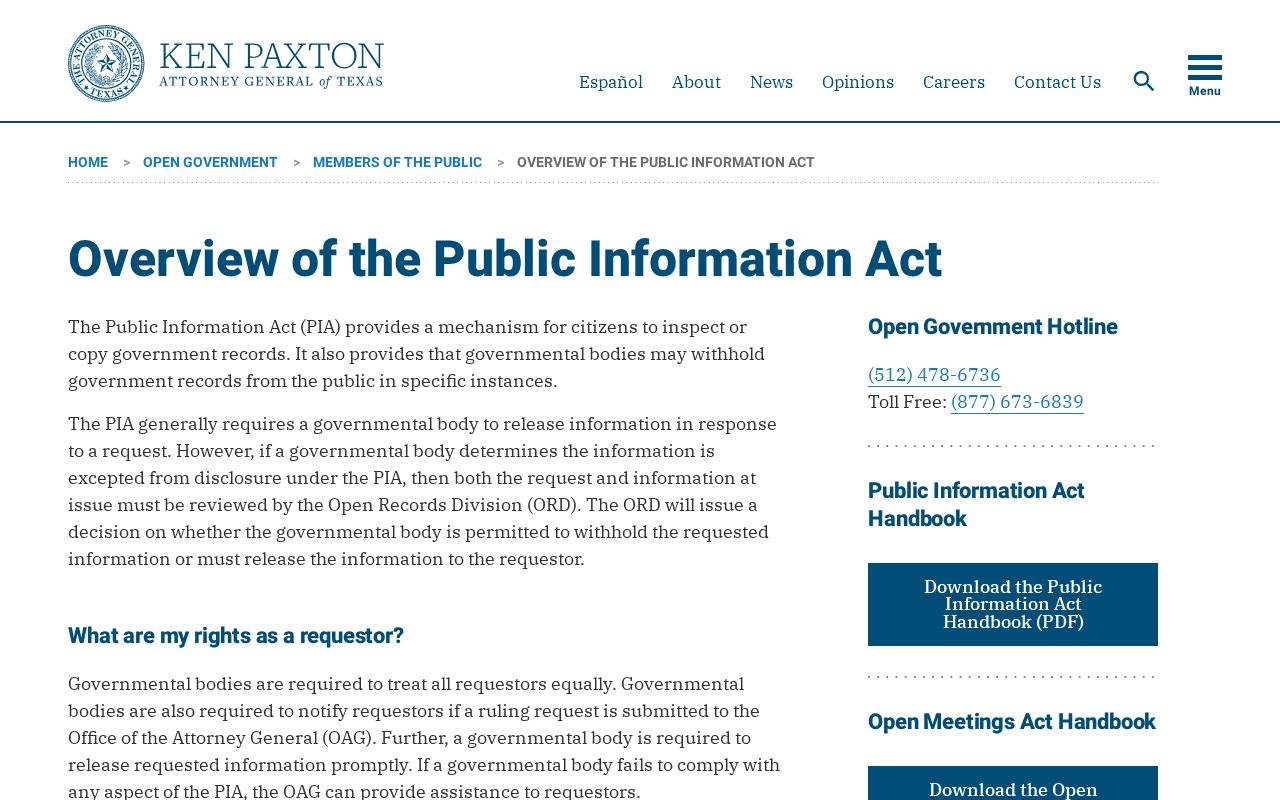
The state guidance gives Rule requesters a sound framework when no local online form is available.
Describe the Rule file rather than asking a question. State the event date, Rule location, agency if known, and document type. Ask for electronic delivery and releasable portions if part of the file is confidential. If staff say a different agency owns it, record the custodian's exact name and route. The governmental body may need an Attorney General ruling before withholding material that is not automatically confidential. A response that will take more than ten business days should include notice of the expected production date.
Rule Arrests and Bookings
No Rule holding facility or city roster was verified. For a Rule-area arrest, determine who made the arrest, then call the Haskell County Sheriff at 940-864-2345 to learn whether the person entered county custody. Ask for the booking number, arresting agency, listed charge, bond, and release or transfer status. A city or DPS report can exist even when the Sheriff holds the booking sheet.
The Rule jail record and police narrative answer different questions. Booking records cover intake time, listed charges, bond, custody status, and release or transfer. The creating agency's Rule report contains the event narrative and probable-cause facts. A magistrate makes separate warnings, probable-cause, and bond papers. The prosecutor may reject or change the arrest allegation before a case reaches court.
Note: A Rule arrest is an allegation and custody event, not proof that a court found the person guilty.
Rule Records Reach County Custody
A Rule arrest can leave records in several offices on different dates. First comes the officer's report. If the person enters county custody, the Sheriff records booking and release data. A magistrate then handles warnings, probable cause, and bond. Prosecutors decide what charge to file, and a clerk opens the cause. That sequence explains why a recent Rule booking may appear by phone before any court result exists.
Texas generally requires magistration without needless delay and within 48 hours under Article 15.17. That is not a promise of release within 48 hours. After state commitment, TDCJ IVSS becomes the correct custody locator. The county arrest lookup overview covers the full phone, written-request, court, and state fallback chain without treating a booking allegation as a conviction.
Municipal Court Records in Rule
No verified Rule municipal-court portal, court staff listing, or public docket was found. A fine-only citation may be held by a municipal or justice court and may never enter the District Clerk's felony system. Ask Rule city staff which tribunal issued the citation or warrant. Obtain the court name and cause or citation number before asking for the docket and final order.
| Court Name | Not verified; identify the issuing Rule municipal, justice, county, or district court. |
|---|---|
| Case Types Heard | A Rule municipal or justice forum may hold fine-only state offenses, traffic matters, or ordinance cases within its authority. |
| Case Lookup Channel | No Rule portal verified; ask city staff or the issuing court clerk, then use re:SearchTX only as a supplement. |
| What the Docket Shows | Citation or cause number, filed allegation, settings, plea, judgment, fine, costs, and status when those fields exist. |
| Copies & Fees | No Rule copy fee was published in the official material; ask the identified clerk before ordering. |
Rule Charges Choose the Clerk
The charge level tells a Rule requester which clerk to call. Fine-only and ordinance matters belong with the issuing municipal or justice court. Class A and B misdemeanor files ordinarily go to the Haskell County Clerk at 940-864-2451. Felony causes go to District Clerk Cynthia Jones at 940-864-2030 and the 39th District Court. An arrest charge may change before filing, so use the court's charging instrument and judgment for the final legal record.
- Citation
- A written allegation that may begin a fine-only court matter without county booking.
- Information
- A prosecutor-signed charging paper often used in a misdemeanor case.
- Indictment
- A grand jury's true bill that formally charges an indictable offense.
- Disposition
- The outcome of a charge, such as conviction, dismissal, acquittal, or deferred adjudication.
Where Rule Records Go
Rule records do not move through one guaranteed line because the creating agency must first be identified. When a local or county arrest leads to prosecution, the report supports the prosecutor's review, the county or district clerk preserves the filed cause, and qualifying arrest and disposition events are reported to the Texas Department of Public Safety Crime Records Division. Fine-only municipal matters may remain outside that route.
Record flow: Rule service agency › Haskell County Courts › Texas Department of Public Safety
Use the source closest to the Rule event. Call Rule city government or the Sheriff for a new incident, the correct clerk for a filed charge and certified outcome, and DPS for reported statewide public conviction or deferred-adjudication information. A missing DPS disposition can reflect reporting lag. DPS asks for a certified disposition from the court of jurisdiction when correcting that gap.
Rule Warrants Need Court Checks
Rule has no verified online warrant search or amnesty page. A web search with no result is not a warrant clearance. Ask city government which municipal or justice court might have issued a fine-only warrant. For county execution information, call the Sheriff at 940-864-2345. District cause or capias questions go to the District Clerk, while Class A or B misdemeanor cause questions go to the County Clerk.
An arrest warrant begins from a complaint and probable cause. A capias or bench warrant follows a court event, and a capias pro fine concerns enforcement after a fine-only judgment. Sealed and unexecuted search warrants are not public name-search products. Anyone who thinks a Rule warrant may be active should confirm the issuing court, ask about the linked cause and status, and seek legal advice before appearing. Never send funds in response to an unsolicited warrant call.
Rule Records After State Sentence
TDCJ systems begin where Rule and Haskell County custody end. IVSS can search by name, SID, or current TDCJ number after state commitment, and a separate control searches prior TDCJ numbers. It does not list county pretrial custody. TDCJ also provides phone and email channels when the public search does not resolve a match.
The Texas Board of Pardons and Paroles explains the state parole decision structure that can follow a Rule-area sentence.
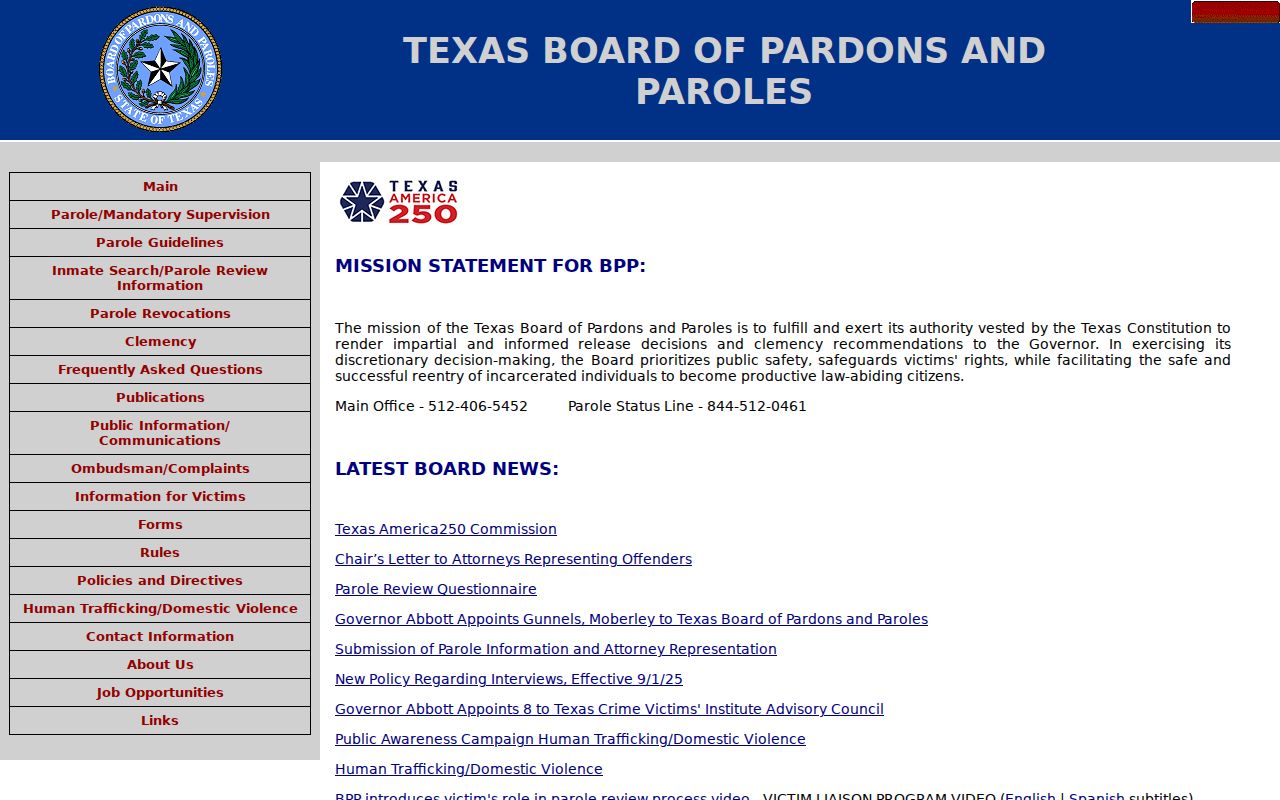
The parole source is a later state layer, not a replacement for the Rule report or Haskell County judgment.
For TDCJ-held public information, the TDCJ public-information request page provides a written fallback.
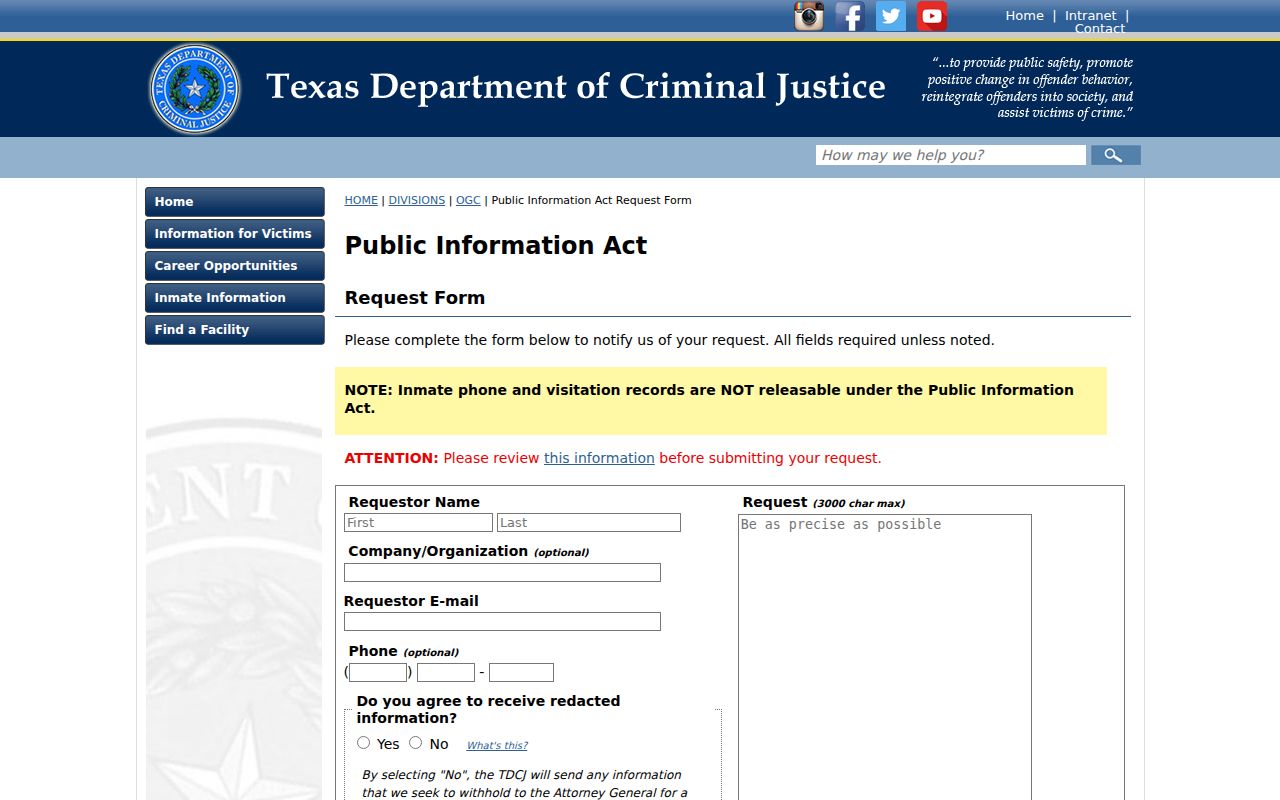
That route applies to TDCJ records only and should not receive requests for Rule incidents or county booking sheets.
Rule Registry Records Follow Residence
Texas Code of Criminal Procedure Chapter 62 ties the local registration authority to residence. A person living within a municipality ordinarily registers with that city's chief of police, while a person outside a municipality registers with the county sheriff. Because the research did not verify Rule's present police structure or a local registration office, call Rule city government and the Haskell County Sheriff before assuming which authority holds the local file.
The public search itself belongs to the free Texas Public Sex Offender Registry. Search by name or use city, address, ZIP, and county fields for geographic context. That statewide profile is distinct from a Rule police report, court file, or booking record. Report suspected noncompliance to the confirmed local authority and use emergency services for an urgent threat. Registry information must not be used to harass, injure, or commit a crime against a registrant.
Public Access Rules in Rule
Public access depends on the record and its custodian. Rule city records and Haskell County Sheriff files fall under the Texas Public Information Act, subject to confidentiality and exceptions. Court files are presumptively accessible within judicial rules, sealing orders, and redaction law. DPS criminal history is confidential except where Texas law permits a public product or authorized access. Juvenile files, protected victim data, Social Security numbers, and other sensitive fields stay restricted.
The Texas Public Information Act text sets the core rights and law-enforcement exceptions.
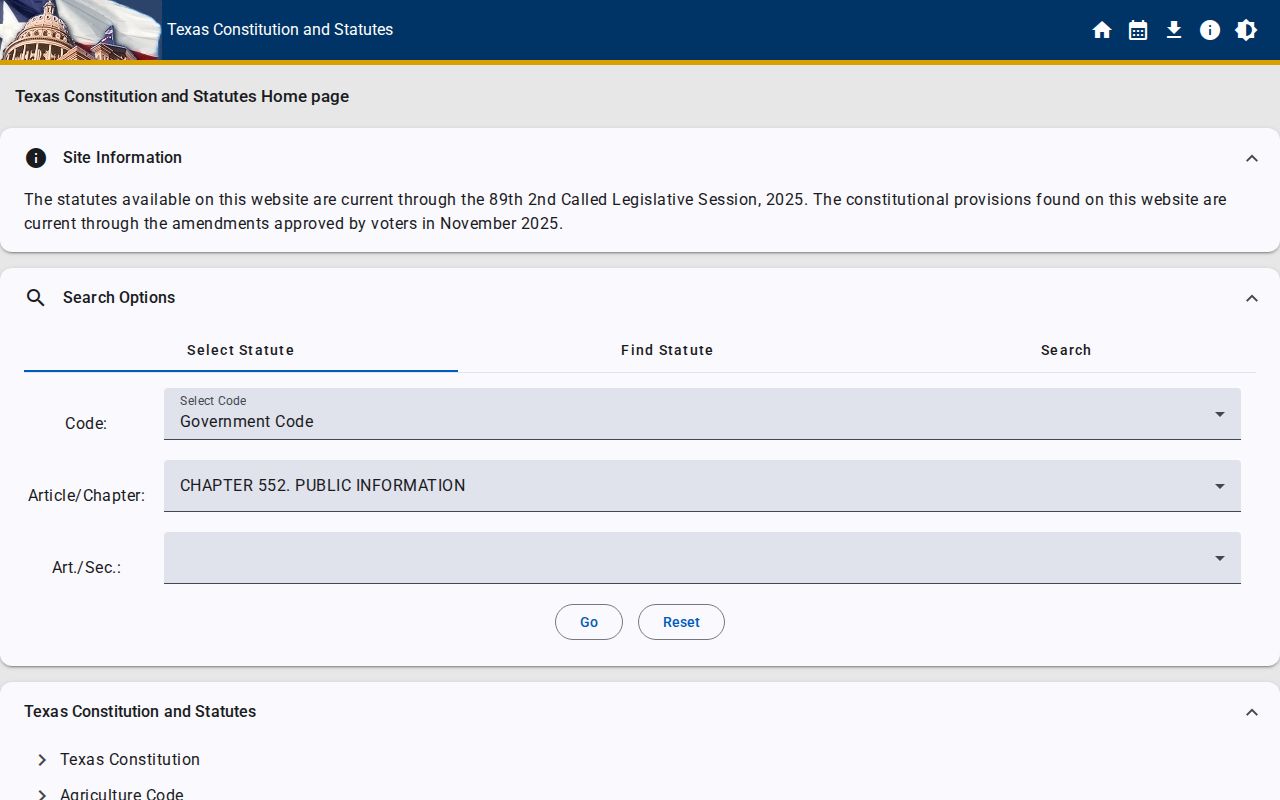
The statute supports direct requests to the Rule or county office that actually holds the record.
Key Statutes:
Texas Government Code Chapter 552 - Makes public information available while allowing lawful confidentiality and investigative exceptions.
Texas Government Code Chapter 411 - Controls criminal-history dissemination and the DPS public conviction product.
Texas Code of Criminal Procedure Chapter 45A - Governs justice and municipal criminal procedure, including confidentiality rules for qualifying older fine-only cases.