
Checking Criminal History in Haskell
No single city search returns every Haskell record. The right path depends on whether the event was a police call, a municipal citation, a jail booking, a misdemeanor case, or a felony cause. The city website does not publish a police records form, arrest log, warrant list, crime map, or municipal case lookup. A phone call that identifies the custodian is therefore a practical first step.
- Call Haskell City Hall at 940-864-2333 and ask whether city police created the report.
- Request the existing police report in writing with the date, place, report number, and record type.
- For a citation or ordinance matter, contact the Municipal Court clerk at municipalclerk@haskelltexasusa.com.
- For a booking, call the Haskell County Sheriff at 940-864-2345; for a filed county case, contact the correct clerk.
- Use state systems only for their defined purpose, since they do not replace the city or court source file.
Keep the requests separate. A police narrative, booking sheet, court docket, and DPS history answer different questions. Ask for the document that fits the event instead of requesting a broad explanation from city staff.
Haskell City Hall Records Route
The official City of Haskell website is the verified city entry point. Call the main line and ask for the Police Department records custodian or Municipal Court clerk. A written Texas Public Information Act request should name an existing item, such as an offense report, arrest report, citation docket, judgment, or payment ledger, and should give a narrow date and location range.
The city website also provides the official visual and contact context for local government.

That city-level route is distinct from the county courthouse and should be used first for records created by Haskell police or Municipal Court.
Haskell Police Department Records
Haskell police create reports for calls, investigations, and arrests within their jurisdiction. The city has not posted a dedicated records portal or request form. City Hall at 940-864-2333 can identify the current custodian and provide delivery instructions. Before sending a request, gather the event date, approximate time, address, involved agency, report or citation number if known, and the exact record sought.
A police file can contain an incident number, time and place, reporting officer, alleged offense, witness or complainant information, narrative, evidence details, and an arrest basis when one occurred. Public release may omit protected victim, juvenile, medical, Social Security, driver's-license, and other confidential fields. Active investigative material may also be withheld under Texas law, though basic arrest and crime information has a distinct public-access rule.
Haskell has no verified police mobile app. There is also no official app-only arrest log, warrant search, or report form. Use the city contact instead of assuming a commercial service is an official police channel.
Haskell Police or Sheriff Records
The word “Haskell” can name both the city and county, which makes agency identity a common source of error. Haskell Police ordinarily hold a city incident narrative they created. The Haskell County Sheriff holds county-created reports and operates the county jail function. Texas DPS may hold a highway report. A court clerk holds the filed case, not the officer's full investigative narrative.
| Event | First city-area contact | Record to ask for |
|---|---|---|
| City police call | Haskell City Hall, 940-864-2333 | Incident or offense report |
| City arrest | Haskell Police for report; Sheriff for custody | Arrest report plus booking sheet |
| Rural county event | Haskell County Sheriff, 940-864-2345 | County incident or arrest report |
| Highway enforcement | Texas DPS public-information channel | DPS-created report |
| Filed charge | Municipal, County, or District clerk | Docket, charging paper, and disposition |
If the first office did not create the file, ask staff to identify the agency that did. This reduces delay and avoids asking one custodian to recreate another office's record.
Haskell Arrests and Bookings
No city holding-facility page or Haskell arrest log is published. A practical trace begins with Haskell Police for its arrest or offense report, then moves to the Haskell County Sheriff for county custody and booking. Call 940-864-2345 with the full legal name and approximate arrest date. Ask whether the person entered county custody, the booking number, arresting agency, charge, bond, and release or transfer status.
The city police report and county booking file are not duplicates. Police document the event and alleged probable cause. Jail staff document intake, fingerprints, photograph, property, listed charges, bond, custody placement, and release or transfer. A magistrate creates warnings and bond papers. The prosecutor may later reject or change the arrest charge, so a booking entry cannot establish guilt or the final case result.
For the full county-level custody workflow, the Haskell County arrest lookup explains the sheriff, court, and state channels without treating an arrest as a conviction.
Following Haskell Booking Records
A Haskell police arrest may leave records in several offices within a short span. First comes the police arrest report. The sheriff then creates county booking and custody entries if the person is accepted into county custody. A magistrate handles warnings, probable cause, and bond. The prosecutor decides what charge to file, and the proper clerk opens a cause file. Each stage can show a different date or charge description.
Haskell County publishes no official online roster or daily booking log. A recent arrest search must use the sheriff's phone and a focused written request. Ask for the booking sheet and book-in or book-out entry. Then request the separate police narrative from Haskell. If the case has reached court, seek the filed charge and certified disposition from the clerk. A missing web result does not mean no arrest occurred.
Note: The statutory magistration deadline is not a promise that a person will be released within the same period.
Municipal Court Records in Haskell
Haskell Municipal Court has jurisdiction over city ordinance crimes and shares justice-court jurisdiction over state-law offenses punishable by fine only when they arise inside city limits. It is not the felony or Class A and B misdemeanor clerk. No online city docket is posted. Contact the clerk through municipalclerk@haskelltexasusa.com or begin with City Hall at 940-864-2333.
| Court | Haskell Municipal Court |
|---|---|
| Case types | City ordinance violations and qualifying fine-only state offenses within Haskell |
| Lookup channel | Email or phone inquiry to the municipal clerk; no verified public portal |
| File contents | Citation or complaint, docket events, plea, judgment, fine, costs, payment, bond, and orders when present |
| Copies and fees | Ask the clerk; no city criminal-copy fee schedule was located |
Fine-only city records may never enter the District Clerk's felony workflow or the public DPS conviction product. Current confidentiality rules for some older fine-only matters are in Code of Criminal Procedure Chapter 45A, so the clerk must apply the law to the specific file.
Haskell Court Records Since 1909
The city's Municipal Court dates to an ordinance adopted on August 19, 1909. The local code provides for a five-point-star seal bearing “Municipal Court in Haskell, Texas.” That detail is more than civic history. It marks a city court with its own ordinance and fine-only docket, separate from the courthouse offices that keep county misdemeanors and district felonies.
The Haskell municipal code states the court's creation and jurisdiction.
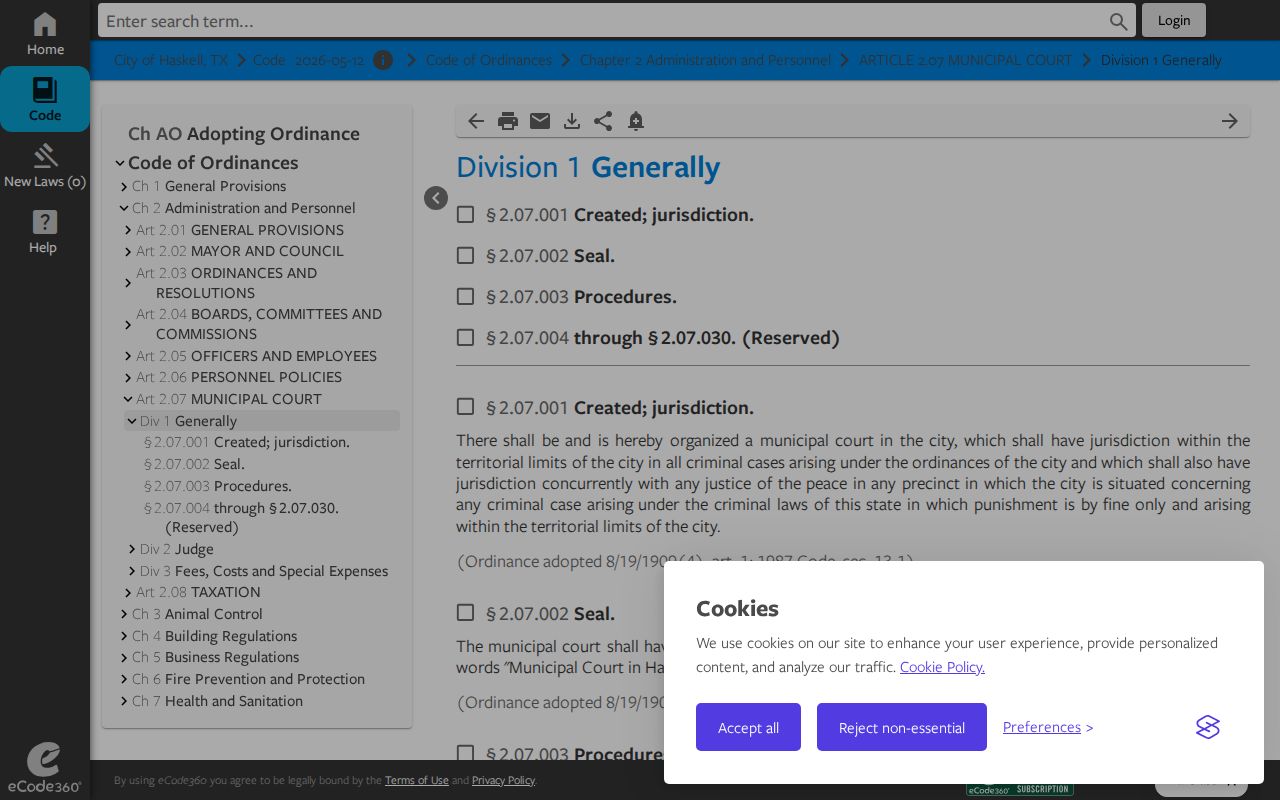
The code explains why a city citation search should begin with the municipal clerk instead of re:SearchTX or the District Clerk.
Where Haskell Records Go
A city event does not always remain in city custody. Haskell Police keep the source report they created. If an arrest leads to county custody, the sheriff creates the booking file. A fine-only city citation remains with Municipal Court. Class A or B misdemeanor filings ordinarily route to the County Clerk at 940-864-2451, while felony filings go to the District Clerk at 940-864-2030 and the 39th District Court.
Record flow: Haskell Police Department › Haskell County booking and courts › Texas Department of Public Safety Crime Records Division
DPS receives fingerprint-linked reporting for qualifying Class B or more serious events under the state reporting system. That later statewide record does not replace the police narrative or clerk file. Recent facts are often clearest at the city and sheriff level, while the certified disposition comes from the court that resolved the charge. The Haskell County criminal court cases route gives the county-level court detail when a city matter becomes a filed misdemeanor or felony.
Haskell Municipal Record Ledger
The FY2025 city budget confirms separate Police Department and Municipal Court functions. It also lists Municipal Court Technology and Building Security funds, along with cash bonds, restitution, collection fees, fines and arrests, municipal jury, local truancy prevention or diversion, time-payment reimbursement, and consolidated court costs. These are possible accounting categories, not charges found in every case.
The categories help a requester name the right record. Someone tracing money in one municipal case might ask for the case ledger, receipt, bond entry, restitution entry, or judgment rather than requesting “all criminal history.” The budget does not prove that the city launched a new portal or that a given case contains each field. No Haskell municipal search portal was found despite those technology and security funds.
Specific fees were not published in the source material. Ask the municipal clerk about copy, certification, delivery, and payment terms before placing an order.
Cash bond and restitution entries also need context. A cash bond is tied to release and appearance, while restitution addresses a qualifying loss ordered in a case. A collection fee, time-payment entry, or court cost is part of the financial record, not a separate finding of guilt. Request the judgment and docket with the ledger when the meaning of one line is unclear.
Public Access Rules in Haskell
The Texas Public Information Act applies to city-held public information, but it does not override confidentiality laws. A written request for Haskell police material should describe existing documents. Government Code Section 552.108 may protect specified investigative information, while subsection 552.108(c) preserves basic information about an arrested person, an arrest, and a crime. Juvenile and protected victim details require special care.
Key statutes:
Texas Government Code Chapter 552 gives the public a right to available government records and sets law-enforcement exceptions.
Texas Government Code Chapter 411 limits criminal-history dissemination while authorizing defined DPS public information.
Texas Code of Criminal Procedure Chapter 45A governs current justice and municipal criminal procedure, including confidentiality rules for qualifying matters.
The Attorney General describes public information as due promptly. When production will take longer than ten business days, the government body must give the requester a date when it expects to produce the information. A request can still lead to redaction, cost notice, or an Attorney General ruling process.
Ask for public portions when part of a Haskell police file is withheld. A narrow request is easier to route and review than a demand for every record tied to a name. If the question concerns a filed case instead of a city report, move the request to the municipal clerk or the correct county court clerk. The office that created or maintains the document remains the best source for a certified copy.
Reading Haskell Crime Records Carefully
Official crime statistics require an agency and year check. The FBI Crime Data Explorer reports data submitted by participating agencies. A blank or zero cell can reflect missing reporting rather than no crime. Haskell Police, the sheriff, and Texas DPS should not be merged into one local trend unless the selected table has reliable coverage for each agency and period.
The official FBI data interface is the right source for that agency-level review.
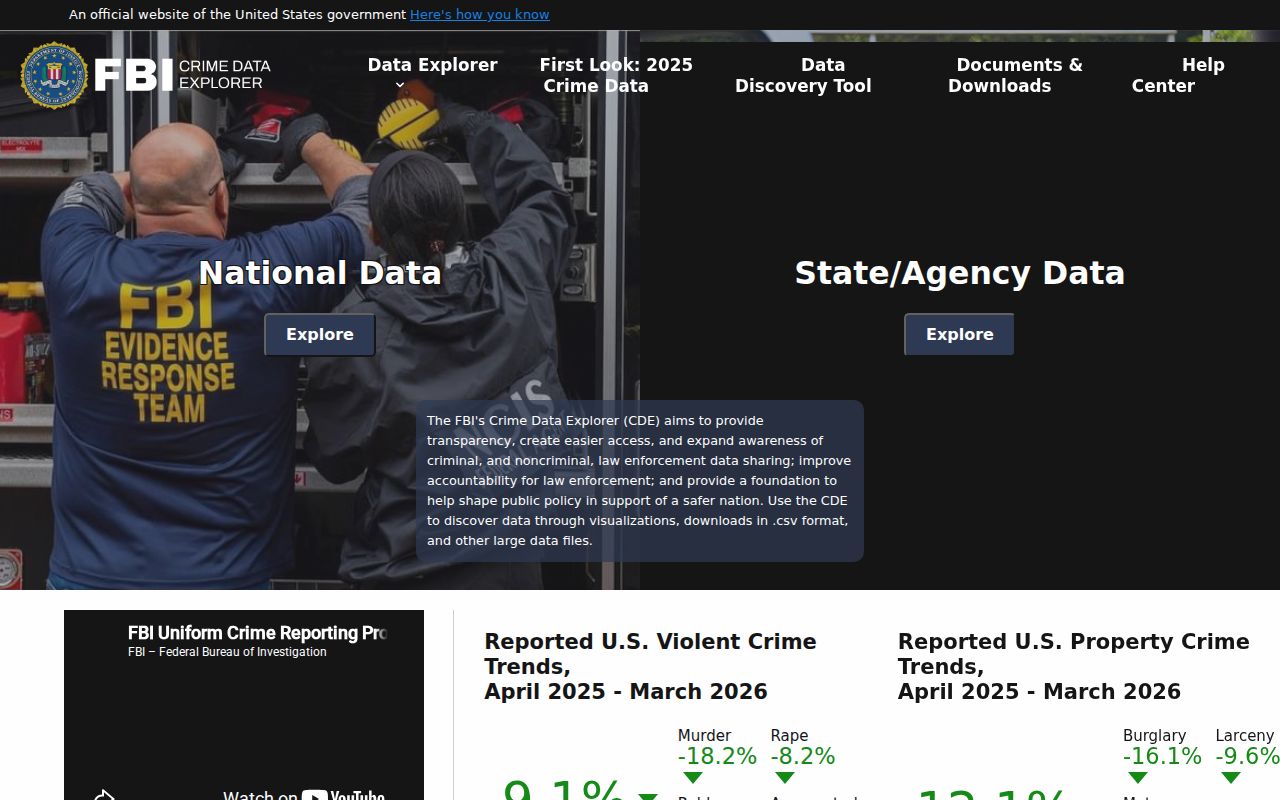
The image represents a research tool, not evidence of a specific Haskell trend. No complete recent city crime table with confirmed coverage was found.
Traffic crash records follow another route. The official Texas crash report purchase portal serves qualifying crash reports rather than police criminal-history files.
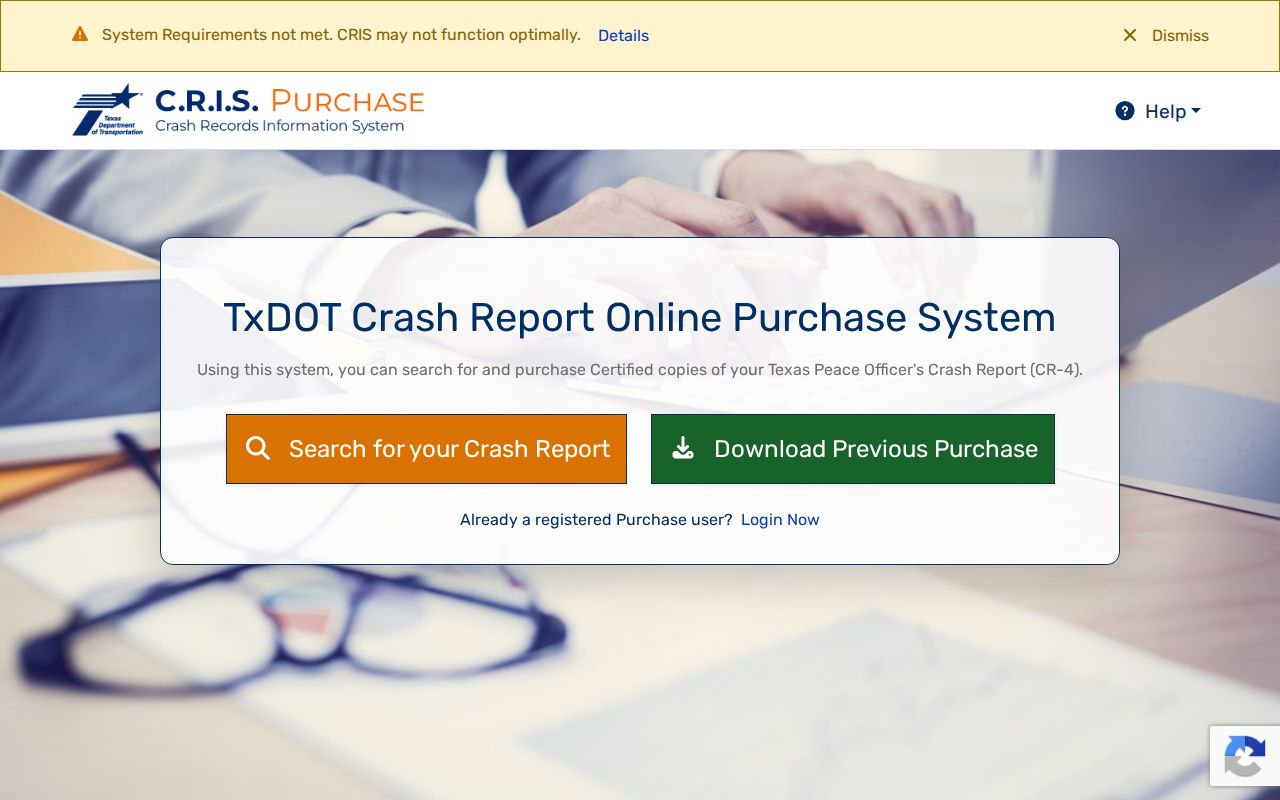
Keeping crash reports in their proper channel prevents a request for traffic material from being sent to the wrong Haskell custodian.